Why Buy Frozen Winkles?
Frozen Winkles are a smart “controlled-quality” buy, because freezing turns a fragile, time-sensitive shellfish into something you can portion, plan, and cook with repeatable results. Instead of gambling on what “fresh” has been through, you’re buying winkles locked at a specific point in time — then held at a stable temperature until you’re ready.
Fresh seafood can still be excellent, but the clock starts early: landing, grading, packing, transport, storage, and retail handling all add hours (sometimes days). Even with good chilled logistics, time adds up. Freezing flips that equation. You’re not chasing peak condition on a particular day — you’re choosing a product that’s been stabilised for consistency.
We also keep our own process tight. On-site, we state that our fish is filleted, packed and frozen within 3 hours of being caught; more broadly, our processing is designed around a fast turnaround where seafood is prepared and frozen within hours, so quality is managed rather than hoped for. For winkles specifically, that control shows up in predictable portioning, fewer surprises in the pan, and less waste at home or in service.
- Freezing slows spoilage. Cold storage protects texture. Sealed packs reduce air exposure.
- Portions cut waste. Consistent weights improve cooking. Frozen stock makes planning easier.
- Stable storage reduces swings. Predictable thaw equals predictability in the pot.
Bottom line: frozen winkles help you buy by outcome — reliable portions, reliable results, and fewer “why does this batch behave differently?” moments.
Choose Your Winkles
Whole Winkles (Shell-On)
Whole winkles are for people who want to prep themselves and keep full control over the end result. You’re working with the shell-on product, so it’s ideal when you care about the classic winkle texture and that briny, coastal flavour that comes through best with simple handling. They’re versatile in the sense that you can go quick and practical or take your time for a more traditional finish. If you like the ritual of sorting, rinsing, and picking, whole winkles are the most honest format.
Picked Winkle Meat
If your goal is speed, picked winkle meat makes Frozen Winkles a genuine midweek option. With no shell work, you can go straight to pan or oven-style recipes where you want clean portions and predictable results. Picked meat also makes portion control easier: weigh what you need, keep the rest back, and avoid cooking “the whole bag” by accident. It’s the most straightforward choice for quick pasta, butter-and-garlic, or a tight little seafood stew where consistency matters.
Larger Grade / “Prime” Winkles
When you want winkles that hold their shape and can tolerate higher heat, look for larger grades or premium lines where sizing is more consistent. Bigger pieces tend to behave better under a hard sear, a hot plancha, or a quick grill/pan finish because they’re less likely to tighten into rubbery bits. This is the pick for high-heat cooking where you want visible, intact pieces on the plate — the kind of serving where texture and bite are the headline, not just the flavour in the sauce.
Ready-Use Speciality Packs
If you stock speciality Winkles items, treat them like purpose-built components: ready for specific uses, not “one pack does everything.” Examples might include pre-portioned packs for pasta nights, mixed shellfish packs where winkles play a supporting role, or chef-style selections aimed at a particular dish outcome. Keep the decision simple: choose these when the format matches the job and you want fewer steps between pack and plate.
Entertaining & Batch Prep Formats
For entertaining, smoking, or batch prep, think like a kitchen: consistent sizing, controlled yields, and the ability to portion neatly. Formats that let you slice your own portions or measure by weight are useful when you’re building multiple plates, topping canapés, or assembling seafood boards where every serving should look intentional. That’s where terms like portion band, yield, and plating consistency actually matter.
Pick the Winkles that matches your pan, your timing, and your appetite.
What Arrives at Your Door
When you order Frozen Winkles from frozenfish.direct, the aim is simple: keep the cold chain intact from dispatch to your freezer, so what turns up is the same product that left ours. Dispatched by DPD overnight courier. Your order is packed with dry ice in a polystyrene insulated box, and that combination matters because the insulation slows heat gain while the dry ice provides a deep-cold buffer during transit, helping keep seafood frozen on arrival rather than merely “chilled”.
Delivery timing is handled in a way that stays accurate without guesswork: orders placed before the stated cut-off are prepared for next working day delivery on eligible days, and checkout controls the valid delivery dates. That means you’re not relying on vague promises or manual messages — the ordering system is designed to offer only delivery options that fit the dispatch calendar and service window.
When it arrives, the first steps are straightforward and quick: open the parcel promptly, check the contents, and move the winkles straight into the freezer so they return to stable storage temperature as fast as possible. If you’re portioning, do it efficiently while everything is still cold, then re-freeze what you’re not using and follow the on-pack storage guidance for best results. You may notice white vapour or a very cold “fog” inside the box — that’s normal with dry ice, which turns directly from solid to gas as it warms.
Dry ice is safe to handle with a little common sense: avoid direct skin contact, keep the area ventilated, and don’t seal dry ice into an airtight container. Keep it away from children and pets, and let any remaining pieces dissipate naturally in a well-ventilated space. The point of all this isn’t drama — it’s control: insulation reduces temperature swings, dry ice absorbs heat aggressively, and the whole pack-out is designed to get your Frozen Winkles to you in proper frozen condition, ready for storage and later cooking.
Label-First Transparency
Buying Frozen Winkles online works best when the label does the talking. That’s why each item on frozenfish.direct is built around practical fields you can actually use, not sales fluff. On every Winkles product you’ll see the basics that decide whether it fits your plan: the cut, the weight/pack size, and the handling details that affect prep and results. Where it’s relevant to that specific product, we also show whether it’s skin-on or skinless, boneless or pin-boned, and whether it’s wild or farmed where applicable. You shouldn’t have to guess what’s in the bag before you add it to your basket.
Because Winkles can come in different formats and from different sources depending on the item, we don’t make sweeping category claims. If origin or catch area varies, it’s shown on the product details for that product, so you can choose with full visibility instead of relying on generic statements. The same approach applies to anything processed: if you’re buying a cured, cooked, or smoked Winkles product (where relevant), the ingredients list is there so you know exactly what’s been added and why.
Allergen clarity is handled the same way: Winkles are clearly flagged, and the product page is where you’ll see the specific allergen and ingredient information tied to that line. It’s the difference between “sounds good” and “fits my needs”.
- Cut drives cooking. Weight drives timing. Pack size drives planning.
- Skin drives texture. Bones drive prep. Label details drive confidence.
- Origin informs preference. Method informs fat level. Storage drives quality.
Storage and Defrosting
Frozen Winkles keep their best eating quality when you treat the freezer like a pantry, not a filing cabinet. Keep packs properly frozen, and protect them from air exposure — that’s what drives freezer burn and that dull, dry edge you taste even after cooking. If your Winkles are vac packed, leave them sealed until you’re ready to defrost; less air contact means less dehydration. It also helps to run a simple rotation: put newer packs to the back, pull older packs forward, so you’re always cooking what you bought first.
For defrosting, the calm default is the fridge. Move the sealed pack onto a plate or tray, keep it contained, and let it come back gently. That slow thaw keeps the texture closer to what you want — firmness rather than soft, and flavour that doesn’t feel watery. If the pack isn’t fully sealed or you’ve opened it, use a covered container so you can manage drip loss instead of letting it wash over the fish. Once defrosted, tip away any liquid, then pat dry before cooking. A dry surface makes a cleaner sear and helps avoid that steamed, pale finish.
If you’re working with formats where it applies — say skin-on pieces or anything pin-boned — do those checks while the fish is still cold and firm. It’s easier to handle, more portionable, and you’re less likely to tear the flesh. Texture varies by cut and prep style: some pieces will naturally flake, others hold a tighter bite, and fattier cuts tend to forgive heat better than leaner ones.
Refreezing is where you stay conservative. If you’ve defrosted under control (cold, contained, clean) and it still smells and looks right, some products may allow it — but the safest rule is simple: if in doubt, don’t refreeze, and always follow the on-pack guidance for that specific line. When you keep it sealed, keep it cold, and keep it dry before cooking, Frozen Winkles behave the way you expect them to.
Cooking Outcomes
Seafront Boil & Vinegar
If your pack is pre-cooked (as many winkles are), you’re mainly reheating and seasoning, not “cooking from raw”. Drop the winkles into a pan of well-salted boiling water just long enough for the meat to feel hot through and plump, then drain thoroughly so you’re not diluting the flavour. The doneness cue is simple: the meat should be firm-springy and glossy, not tight, shrunken, or rubbery. Serve with vinegar and a pinch of white pepper, then use a pin or toothpick to tease the meat from the spiral shell.
Garlic-butter warm-through
Winkles love butter because it carries their sea-sweet, briny flavour rather than fighting it. Warm a knob of garlic butter in a pan until it smells aromatic, then tumble in drained winkles and keep the heat gentle so the meat doesn’t toughen. Look for a light sheen and a steady sizzle at the edges, not aggressive frying; when they’re ready, they’ll smell savoury and feel bouncy when pressed. Finish off the heat, rest briefly in the pan, and spoon the buttery juices over crusty bread.
Crisp pan finish
If you’re working with winkle meat out of the shell, drain well, pat the surface dry, and start with a hot pan. Dry surface equals better sear. Gentle finish protects moisture. Resting evens temperature. Leave it alone to take on colour, flip once, then drop the heat so you warm through without overcooking, and let it sit off the hob for a minute before serving.
Broth, stew, or pasta finish
Winkles behave best when they’re added late to a sauce or broth, so the liquid flavours them without turning them chewy. Build your base first (tomato, white wine, stock, or a creamy sauce), then stir the winkles through right at the end until they’re warmed and the sauce clings. The cue is texture: firm but yielding, with a clean sea aroma; if they go tough, you’ve held them at heat too long. Different packs have different handling expectations, so follow the product details—especially if your winkles were bagged before freezing or frozen unwrapped, glazed, and then packed.
Nutrition Snapshot
Winkles are a straightforward, protein-forward seafood choice, which is why they sit comfortably in both quick midweek meals and more planned cooking. Like most shellfish, they typically provide high-quality protein and a spread of naturally occurring micronutrients, but the exact mix isn’t something you should guess from a category page. Nutrients vary by species, cut, pack format, and whether the product is wild or farmed, and any glazing, brine, or added ingredients (where relevant) can shift things like salt and overall weight. That’s why the practical way to shop is to use the product details as the source of truth for what you’re actually buying.
If you’re comparing options, think in buying signals rather than health headlines. A cleaner, simpler ingredient line usually means you’re tasting more of the sea, while seasoned or prepared formats can bring convenience and a more “ready to cook” profile. For cured, smoked, or otherwise prepared items, ingredients and allergens should be clearly listed so you can choose with confidence.
Cooking outcome is connected to what’s on the label. Products with a slightly richer feel tend to be a touch more forgiving under heat, while leaner pieces reward gentle finishing and careful timing. That’s not wellness marketing — it’s just how fat content and moisture behave in a hot pan.
Winkles can fit neatly into a balanced diet alongside vegetables, grains, and the sides you actually enjoy, without turning dinner into a lecture. Use the product details to match the cut and format to your plan, then cook it in a way that protects texture and flavour — confident choice, predictable results.
Provenance and Responsible Sourcing
Provenance matters most when it’s specific, not slogan-shaped. That’s why the approach here is simple: we show method and origin details per product so you can choose what fits your preferences. Some people want wild-caught; others prefer farmed for consistency and availability; plenty of shoppers just want a clear label that tells them what they’re holding before they commit. The point isn’t to tell you what to value — it’s to make sure you can actually see the evidence and decide for yourself.
Because this is a category page, any responsible-sourcing statement has to stay honest. We don’t make blanket promises like “all sustainably harvested” across every SKU, because different items can come from different fisheries, farms, seasons, and supply routes. Instead, provenance is handled at SKU level: the product details are where you’ll find the origin (and where relevant, the catch area), plus the method information that helps you compare like-for-like.
In practice, a Frozen Winkles range can cover more than one sourcing route. Depending on what’s stocked, you may see farmed Winkles options, wild Winkles items, and speciality lines that are prepared for specific uses. Each format can have its own handling notes and ingredient context, so the label fields aren’t “nice to have” — they’re the buying tools that keep expectations aligned with what arrives.
Provenance supports preference. Clear labels support trust. Evidence supports claims.
If a detail varies by item, it belongs on the product page for that item — not buried in vague category copy. Shop the way you’d buy from a good fishmonger: check the method, check the origin, pick the Winkles that fits your standards, and let the label do the talking.
Frequently Asked Questions
Is frozen winkles as good as fresh?
Fresh vs frozen isn’t really a battle of “better” — it’s a battle of time and handling. “Freshness” is mostly about how quickly the product was handled, kept cold, and moved through the supply chain. Frozen is about locking in a point in time: you freeze it when it’s in good condition, then keep it there until you’re ready to use it.
With Winkles, the honest truth is that texture and moisture are the deciding factors. Freezing can affect moisture if it’s mishandled — repeated temperature swings, damaged packs, or a rushed thaw can lead to drip loss and a softer bite. On the flip side, good freezing, stable cold storage, and sensible defrosting protect the flavour and keep the texture closer to what you expect. Packaging matters too: less air exposure means less drying and less quality drift while it’s stored.
That’s the practical advantage of buying from a frozen-first supply chain. At frozenfish.direct, seafood is processed and frozen within hours, then shipped in insulated packaging with dry ice, designed to keep it frozen on arrival. In other words, the quality is “captured” early and protected in transit, rather than relying on a race against the clock in a chilled supply chain where time quietly adds up.
So when is frozen “as good as fresh”? It depends on what you’re doing:
- Midweek portions: Frozen wins for predictability. Portionable packs mean you can take what you need, keep the rest properly stored, and avoid waste — especially when you’re cooking to a schedule.
- For grilling or high-heat cooking: Choose formats that hold their shape and give you a firmer bite. Frozen can perform brilliantly here, as long as it’s kept properly frozen and handled with care before it hits heat.
- For entertaining: Frozen is the low-stress option. Predictable sizing and dependable availability make planning easier, and you’re not gambling on what the counter happens to have that day.
Frozen doesn’t magically beat fresh — it just removes a lot of uncertainty. “If you want predictable results, frozen is the easier way to make Winkles a routine.”
How do I defrost frozen winkles without it going watery?
“Watery” Winkles are nearly always a defrosting problem, not a “bad batch” problem. When seafood freezes, ice crystals form inside the flesh. If it thaws too fast (or warms up on the outside while the centre is still frozen), those crystals melt and push water out as drip loss. Add in repeated thaw/refreeze cycles — even small temperature swings in a freezer drawer — and the cell structure takes more damage, so more liquid leaks out and the texture turns softer.
The best fix is boring, slow, and effective: thaw in the fridge, contained, then dry the surface before you cook. Keep the product cold the whole way through, and treat any liquid that appears as something you manage — not something you ignore. Here’s the clean flow in practice: move the Winkles from freezer to fridge; keep them contained on a plate or in a bowl to catch drip; if they’re vacuum packed, keep the pack intact while it thaws (less air exposure, less mess, less drying at the edges); once thawed, open, drain, and pat dry with kitchen paper; then cook as planned. That “pat dry” step matters because a wet surface steams first, and steaming is how you end up with a softer, watered texture.
Tips by cut help too. Portions are easier because they thaw evenly and you can take only what you need, which reduces repeat freeze/thaw. If you’ve got thicker pieces (larger meats or dense clusters), they simply need more time in the fridge to thaw through properly — rushing them encourages a warm exterior and a cold centre, which is drip-loss city. If your product is sold as steak-style slices (thick rounds), they behave differently: the flat faces can dump moisture quickly, so keep them well-contained, pat them very dry, and avoid leaving them sitting in their own liquid once thawed.
As a backup, some seafood can be cooked from frozen when you’re stuck — but it’s a different method and results can vary, so treat it as the plan B rather than the default, and follow the on-pack guidance for your specific item.
Good defrosting is texture control.
Wild vs farmed winkles — what should I choose?
Both wild and farmed Winkles can be excellent — the smartest way to choose is to match the type to your dish, not to chase a universal “better”. Think of “wild vs farmed” as a set of trade-offs: flavour, firmness, fat level, consistency, and (often) price.
Wild-caught Winkles tend to be a bit more variable from pack to pack because nature doesn’t do standard sizing. Depending on species and season, wild options may have a firmer bite and a slightly more pronounced “sea” flavour. That intensity can be great when you’re keeping the dish simple — butter, garlic, a squeeze of lemon, maybe a little chilli — where the seafood is meant to lead. The flip side is that variability can mean you pay more attention to doneness and portion size, especially if you’re serving a group.
Farmed Winkles often lean toward consistency: more predictable size, steadier texture, and repeatable cooking results. That can be a real advantage for midweek cooking, batch prep, or any time you want the same outcome every time you open a pack. Flavour can still be excellent, but it may be a touch milder compared with some wild equivalents — which is not a weakness if you’re building the dish with sauces, aromatics, or spice.
On frozenfish.direct, the simple rule is: use the product details as your truth source. Each item states whether it’s wild or farmed, and where it comes from, so you can choose based on the exact SKU in front of you rather than guesswork. That range may include wild Winkles items and farmed Winkles items, plus speciality lines depending on what’s in stock.
For cooking and pairing, Winkles reward a gentle hand. They respond best to gentler cooking and sauces: warm-through rather than hammering with heat, then finish with butter-based sauces, light cream, tomato and garlic, or herby oil. If you’re going hot and fast, keep it brief and protect moisture — a dry surface helps, but overcooking is what turns delicate seafood tight.
Choose by cooking method first, then by origin and method.
Which winkles should I buy for my plan?
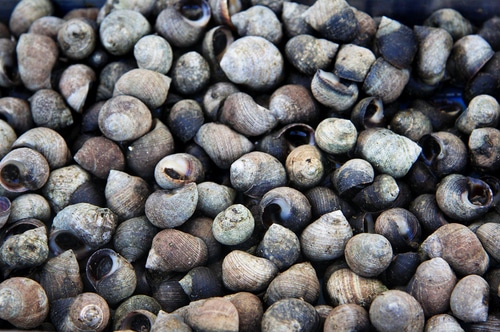
If you’re buying Frozen Winkles, the first decision is how much “prep” you want to do at the table. Winkles are edible sea snails found on rocky, seaweed-heavy shorelines, and the classic way to eat them is still very hands-on: you pull the meat from the shell with a pin/toothpick, then season to taste.
Weeknight meals → portions (where available). If you ever see picked winkle meat or smaller, more “portionable” packs in the category, that’s the easiest midweek option: minimal fuss, quicker portion control, and easier to fold through pasta, add to a quick garlic butter pan, or toss into a simple seafood bowl. If the category is shell-on only, you can still make it weeknight-friendly by treating it as a snack-plate rather than a “main” (winkles + vinegar/white pepper, or garlic butter + crusty bread).
Entertaining → shell-on “seafront style”. For sharing, shell-on winkles are the point. They’re traditionally boiled and served as a seaside snack, eaten with vinegar and white pepper, and the little ritual of “pin and pull” becomes part of the fun. If you want something richer, the page also calls out the crowd-pleaser move: garlic butter and crusty bread.
Prep-it-yourself → whole Winkles. If you like doing the work (and getting that just-right bite), go whole, shell-on. The site describes winkles being cleaned and cooked, then either packed before freezing or frozen first, glazed, and packed after—so you’re buying something built for the freezer, but still “hands-on” when you serve it.
Special occasions → “bigger is better” (when listed). If you spot size cues, lean toward larger winkles for a meatier bite and a more premium feel; the page notes that choosing bigger winkles (over about 2cm) is a meaningful distinction.
If you only buy one thing: start with the Winkles 500g pack—it’s the most flexible base for snack plates, sharing boards, and “try-it-first” dinners.
Pick the cut that matches your heat source and your timing.
Can I cook winkles from frozen?
Yes, often you can — but method matters.
Cooking Winkles straight from frozen can work well when you’re after speed and reliability, but you have to respect two things that frozen seafood brings to the party: thickness and surface moisture. A cold, icy surface won’t sear cleanly — it steams, sticks, and turns the outside soft before the centre has a chance to catch up. That’s why oven cooking, an air-fryer, or a covered pan is usually more forgiving than going straight into a screaming-hot sear. Those methods give the heat time to travel through the piece more evenly, then you can finish hotter for colour and bite.
A safe, practical approach is simple and doesn’t need guesswork. Remove all packaging first. If there’s visible surface ice, rinse it off quickly under cold running water, then pat dry thoroughly with kitchen paper — dry surface equals better browning and less splutter. From there, start with gentler heat (think: bake/air-fry, or a covered pan with a little moisture) to bring the Winkles up evenly, then finish hotter to tighten the texture and add colour. You’re looking for doneness cues more than numbers: the flesh should be piping hot, look opaque, and feel firm but not rubbery. Thickness changes timing, so adjust to the size of the pieces and follow any on-pack guidance if it’s provided.
There are a couple of times you shouldn’t cook from frozen. If you’re dealing with very thick pieces and you want a perfect sear, you’ll usually get better results by defrosting first so the centre isn’t playing catch-up while the outside overcooks. And for speciality cured-style products (smoked, cured, or ready-to-eat lines), don’t freestyle — follow the product guidance, because the handling and finishing expectations can be different from raw or plain frozen items.
Frozen-to-oven is the weeknight cheat code when you need Winkles now.
How long does frozen winkles last, and how do I avoid freezer burn?
Frozen Winkles will stay safe for a long time in a properly cold freezer, but the eating quality can slowly fade the longer it sits. That’s the key distinction: freezing protects safety, because cold stops bacteria from growing, but quality can decline as texture and flavour get nudged around by time, air exposure, and temperature swings. So the most useful way to think about “how long” is: follow the best-before and storage guidance on the pack, and treat anything beyond that as a quality question rather than a sudden safety cliff-edge.
The main enemy of quality in the freezer is freezer burn. It isn’t “gone off” food — it’s dehydration caused by air exposure. When cold, dry freezer air can reach the surface of the Winkles, moisture migrates out and the surface dries. You’ll spot it as dry, pale or dull patches, sometimes with a slightly “frosted” look inside the pack. Cooked, those areas can feel tough, cottony, or just a bit flat compared with the properly protected parts. Freezer burn is basically your freezer doing slow-motion air-drying.
Avoiding it is mostly about packaging discipline and freezer habits. First: keep packs sealed. If you open a pack and don’t use it all, rewrap tightly and remove as much air as you can before returning it to the freezer. Second: minimise air exposure in general — don’t leave seafood sitting out while you rummage for space, and don’t keep opening and closing the freezer door like it’s a library book. Third: store flat where possible. Flat packs freeze and stay cold more evenly, and they’re less likely to get crushed or partially unsealed at the corners. Fourth: rotate stock. Put newer packs behind older ones so you naturally use the older ones first, which protects quality without needing to obsess over dates. Finally: keep the freezer stable. Big temperature swings (overloaded freezer, frequent door opening, warm items shoved in uncovered) encourage ice crystals to change shape and can worsen drip loss later.
This is also where your packaging reality matters. Many Winkles products are vacuum packed, and that’s a real advantage: less trapped air means less dehydration, so the texture stays closer to “just frozen” rather than “stored for ages.” You still want a steady freezer and sealed packs, but vacuum packing gives you a head start.
Good packaging and steady cold are what keep Winkles tasting like Winkles.